A preventative inspection checks the agreed parts of your plumbing for faults and maintenance needs. The scope depends on access, the property and your concerns. It can identify warning signs, but it cannot guarantee that every concealed fault will be found.
What is a preventative plumbing inspection?
A preventative plumbing inspection is a planned check of the property’s plumbing rather than a visit arranged after a major fault. The aim is to identify visible problems, assess reported symptoms and recommend suitable maintenance.
The original Jetty Plumbing guide highlights pipes, fixtures, drains, hot water equipment and sewer connections. The checks needed at your property depend on the system, its condition and the access available.
Before booking, explain whether you want a general maintenance check or help with a particular concern. Agree on the scope so you know what will be inspected and what may require a separate assessment.
Why check plumbing before it fails?
A small drip can waste water and leave nearby materials damp. Slow drainage can become more disruptive if the cause is left unresolved. An inspection creates an opportunity to discuss these signs before they become a more urgent repair.
- Identify visible leaks. Early attention can limit ongoing water loss and damage.
- Understand repeated faults. Explain repairs that have not resolved the underlying problem.
- Plan the work. Discuss repair priorities and access before booking maintenance.
- Record the condition. Keep findings and recommendations for future reference.
An inspection does not make a system fault-proof. Its value comes from understanding the findings and acting on the recommended work.
What can the plumber inspect?
Accessible pipes and connections
Visible pipework can be checked for leaks, corrosion, damage and signs of movement. Concealed pipes may need additional investigation if symptoms suggest a problem.
Taps, showers and toilets
Reported drips, poor operation and visible leaks help guide the fixture checks. Water pressure testing may be appropriate for the symptoms or agreed scope.
Drains and sewer lines
Slow drainage, recurring blockages and unusual sounds should be discussed. A camera inspection may be recommended, but it is not automatically part of every maintenance visit.
Hot water equipment
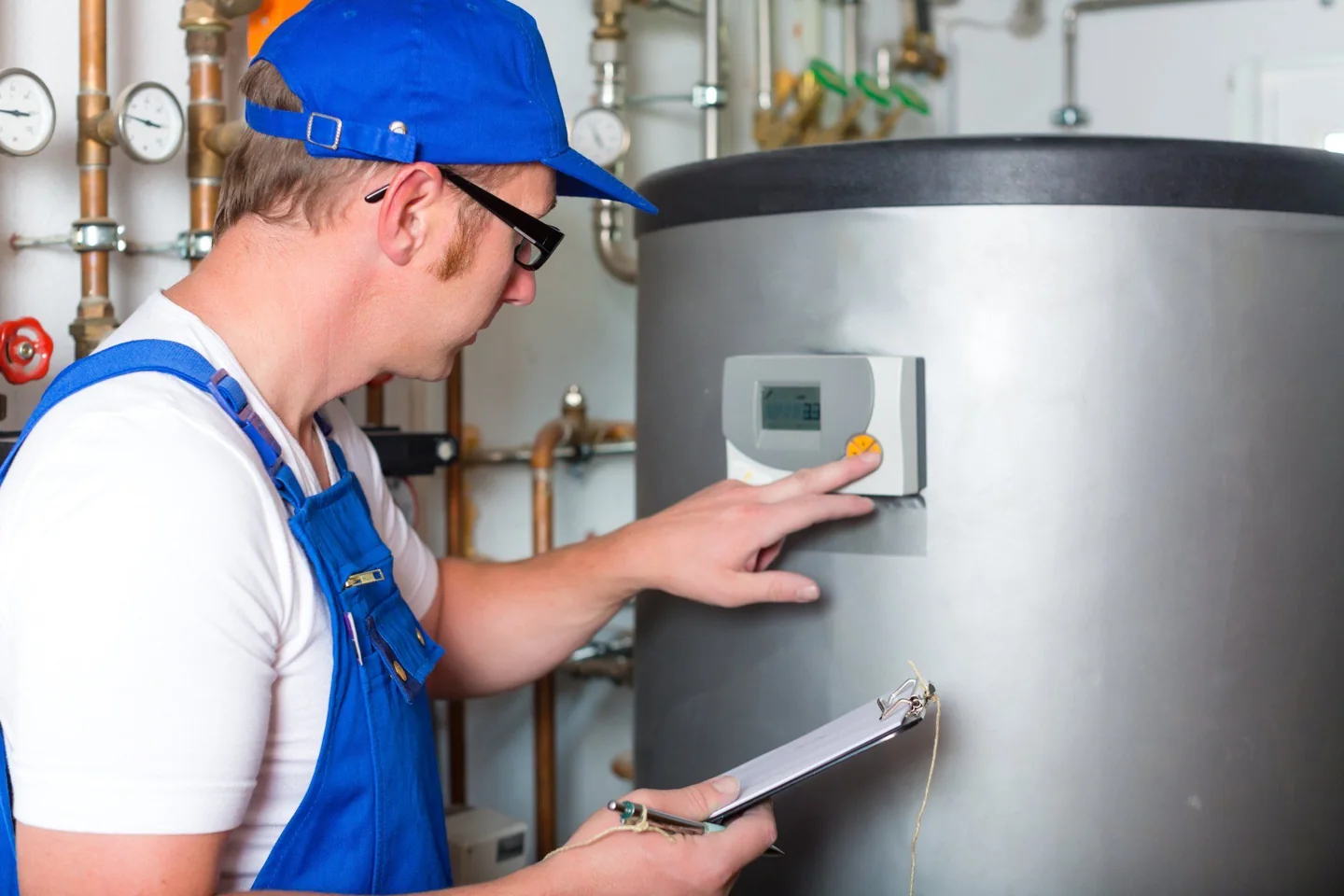
The system’s age, condition, visible connections and maintenance history can help identify the next steps. Any servicing or safety-device checks should follow the requirements for the particular unit.
Ask what the quoted inspection includes before assuming every item will be tested.
Make a short list of the changes you have noticed.
Write down where the problem occurs, when it began and whether it is getting worse. Include unusual noises, damp patches, drains that empty slowly and fixtures that no longer work as they should.
Between visits, our home plumbing maintenance tips explain the everyday signs to watch for.
Keep previous repair records and hot water system details handy. Clear access to the agreed inspection areas where practical, and let the team know about locked areas, pets or access restrictions.
If water is actively escaping, do not wait for a routine inspection. Call the team and explain the situation so the urgency can be assessed.
Turn the findings into a practical maintenance plan.
Ask the plumber to explain what was checked, what could not be accessed and which findings need attention first. A useful maintenance plan separates current faults from items that can be monitored or scheduled later.
Further investigation may be needed where the cause is concealed. Our water leak detection service and drainage assessments can help with specific concerns.
There is no single inspection interval that suits every property. Ask about a schedule based on the plumbing condition, equipment instructions, usage and any history of recurring faults.
Request a plumbing maintenance visit and tell us what you would like checked.

Kyle leads the Jetty Plumbing team on the Coffs Coast. For advice about your own property, share the job details with us.
Meet Kyle and the team →