A conventional tap may need a washer, seal or seat repair. A mixer may use a cartridge or another valve design. The symptoms guide the assessment, but there is no single repair that suits every tap.
Where does the water appear?
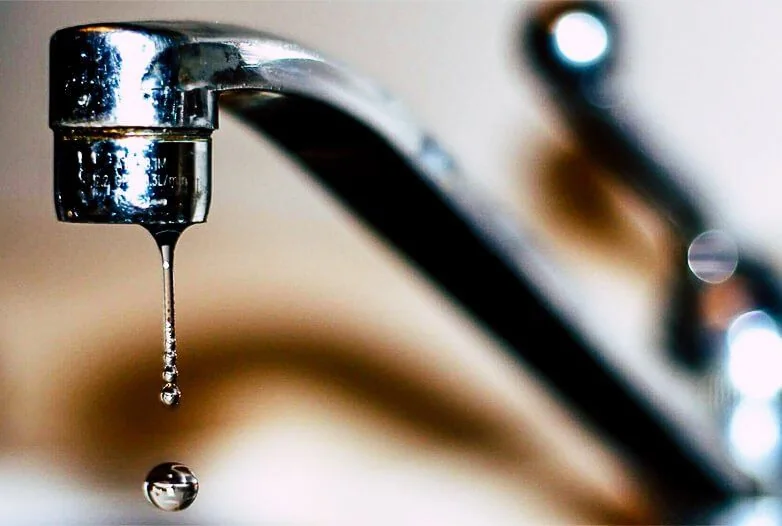
A leaking tap is easier to assess when you can describe exactly what happens. Does it drip from the spout after it is closed, seep around the handle during use or leave water at the base?
On a conventional washer tap, a drip from the outlet may involve the washer or valve seat. Water around the spindle may involve a seal or gland. Mixers can have different internal parts, so the same symptom does not always mean the same repair.
Look around the sink or basin too. Water underneath may come from a supply connection, flexible hose, waste fitting or another source. A new washer will not fix every leak near a tap.
Confirm the water can be isolated.
Before opening a tap for repair, the correct water supply must be isolated and the remaining pressure released. If you are unsure which valve to use, or it will not close properly, arrange help before taking anything apart.
Keep the make and model details and follow the instructions for that fitting. Cover the waste opening so small parts cannot fall down the drain, and protect the surrounding surface.
Stop if a part is seized or the pipework moves. Extra force can damage the fitting or the concealed connection. For a complete tap replacement or work on the pipework, book a plumber.
A washer is only one part of the seal.
A conventional compression tap closes a washer against a valve seat. A worn or damaged washer may allow water to pass even when the handle is closed.
For a straightforward washer repair, the process is to isolate the supply, open the fitting as its manufacturer directs, inspect the washer and accessible components, fit the correct replacement and reassemble. Water is then restored slowly and the tap checked for leaks.
For an outdoor fitting, our hose tap guide explains how repair and full replacement differ.
The replacement must match the fitting. A part that looks close in size may not seat correctly. Keep the removed components in order and avoid overtightening during reassembly.
If a new washer does not stop the drip, the seat or another component may need assessment. Seat cutting or grinding is not a general first step and can damage a fitting if done incorrectly.
Ceramic disc and ball taps need different parts.
Ceramic disc taps and mixers
These fittings commonly use a cartridge or ceramic valve mechanism. Worn seals, debris or a damaged cartridge can contribute to a leak. The correct replacement depends on the model.
Do not assume a cartridge can be cleaned with an abrasive pad or swapped for a generic part. Follow the manufacturer’s service instructions or ask a plumber to identify it.
Ball-style mixers
A ball-style fitting uses a different valve arrangement and may have replaceable seats, springs and seals. A repair kit needs to suit the particular fitting.
O-rings and seals
O-rings seal specific parts of the assembly. Their size, material and location matter. Replacing an unrelated seal may leave the original leak unchanged.
When does a tap need more than a small repair?
A cracked body, damaged threads, badly worn components or unavailable parts may make replacement more practical. The connecting pipework and the condition around the fixture also need consideration.
Ask what the assessment and repair include before comparing costs. Access, fitting type, parts and any further damage can change the work required. A slow drip alone is not enough to give an accurate repair price.
Repairing leaks is one part of reducing waste. See our tap and water-saving tips for everyday use.
Close the handle gently after the repair. Forcing it tighter each time can shorten the life of the sealing parts and make the tap harder to operate.
What should you tell the plumber?
Send a photo of the tap, describe where it leaks and say whether it happens when the water is on or off. Mention earlier repairs and whether you can isolate the supply.
If water is escaping beneath the fixture or into a cupboard, report that too. The fault may need a leak assessment rather than a tap service alone.
See our Leaking tap repairs in Coffs Harbour, request a call back or call 0459 339 205 to discuss the job.

Kyle leads the Jetty Plumbing team on the Coffs Coast. For advice about your own property, share the job details with us.
Meet Kyle and the team →