Start with leaks and everyday use, then compare efficient products when a fixture or appliance needs replacing. Read both the WELS star rating and the water consumption figure. Savings depend on your household’s use and the products involved.
Use less water each time you shower.
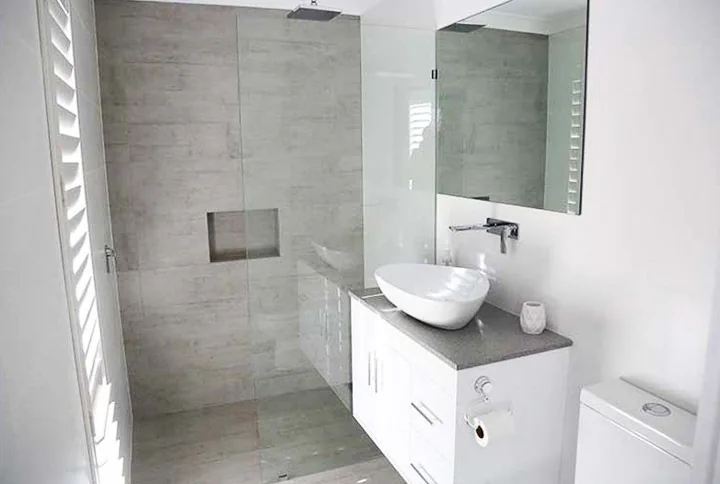
The original Jetty Plumbing guide starts with efficient fixtures. In the bathroom, a shorter shower reduces both water use and the hot water needed for that shower.
When replacing a showerhead, compare the WELS rating and labelled litres per minute. A suitable efficient model can reduce flow, but it still needs to work with your hot water system and household needs.
A timer can help you notice how long the water runs. Avoid leaving the shower running while doing other tasks. If the temperature takes an unusually long time to settle, discuss it with the team rather than adjusting the hot water equipment yourself.
Check for quiet leaks and use the right flush.
A toilet can lose water into the bowl without leaving a puddle on the floor. Listen for repeated refilling and look for a continuing trickle after the flush has finished.
Use the half flush when it is appropriate and report a cistern that keeps running. Do not reduce the cistern volume with improvised objects; the flush needs to suit the fixture.
When replacing a toilet, compare WELS consumption figures as well as the fit and installation requirements. A plumber can explain which options suit the existing connection.
For a fault with the cistern, flush or toilet connection, see our toilet repair service.
Repair drips and stop unnecessary flow.
Turn the tap off while brushing your teeth and avoid leaving it running through food preparation or washing up. Use only the water needed for the task.
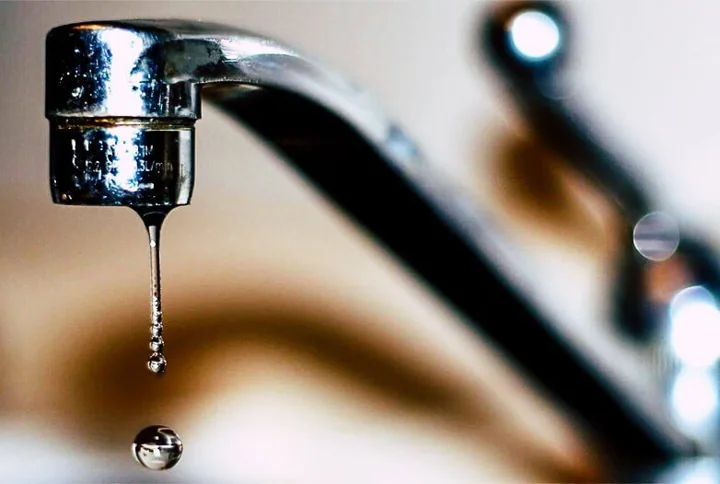
A persistent drip deserves attention. Washers, seals, cartridges and valve seats can develop faults, and the right repair depends on the tap. Close handles gently rather than forcing them tighter.
When choosing new tapware or a flow controller, check compatibility and compare the labelled flow rate. The most restricted flow is not automatically the best fit for every fixture or hot water system.
Our tap repair team can assess a drip. If you notice dampness without a clear source, ask about water leak detection.
Match laundry and dishwashing to the load.
Run the washing machine and dishwasher with suitable full loads, without exceeding the manufacturer’s capacity. Choose the appropriate load setting or economy programme where it suits the task.
Cold washing can reduce water-heating energy when it is suitable for the items and detergent. It does not automatically reduce the litres used, so check the selected cycle too.
When replacing an appliance, compare machines of a similar capacity. Read the WELS water consumption figure and the cycle used for the rating. Choose a size that suits your normal use rather than buying more capacity than you need.
Reduce outdoor waste and plan water reuse.
Choose plants suited to local conditions and group plants with similar watering needs. Check hoses, irrigation connections and outdoor taps for leaks.
Sweep paths and driveways instead of hosing them. Water the garden only when needed and check current local water-use rules before outdoor watering or washing vehicles.
Rainwater may be useful for suitable non-drinking uses when the system is correctly designed and connected. Ask about our rainwater systems before changing plumbing connections. Greywater and other reuse arrangements need advice specific to the site and intended use.
Read the water rating label before buying.
The WELS label helps compare the water efficiency of products. More stars indicate better water efficiency, while the consumption figure tells you the tested amount of water used.
- Taps and showers. Compare litres per minute.
- Toilets. Check average, full-flush and half-flush consumption.
- Washing machines and dishwashers. Compare litres per wash, capacity and the tested cycle.
Read the Australian Government guide to the water rating label ↗ for more detail.
If a leak or ageing fixture is your starting point, tell Kyle and the team what needs attention. We can discuss repair and replacement options for your property.

Kyle leads the Jetty Plumbing team on the Coffs Coast. For advice about your own property, share the job details with us.
Meet Kyle and the team →