Check how much hot water you use, when you need it most and what the complete installation will cost. Tank size alone does not describe performance, and a continuous-flow unit still has a delivery limit.
How much hot water does your household use?
Think about every fixture and appliance that uses hot water. Showers, baths, basins and kitchen use all contribute, while appliance demand depends on how the machine is connected and operated.
The number of bathrooms is one clue, but the way people use them matters more than the room count alone. Long showers and frequent baths create a different pattern from short showers spread throughout the day.
- People and routines. Note household size and usual shower or bath habits.
- Fixtures in use. List where hot water is needed and which outlets may run together.
- Appliances. Check whether the washing machine or dishwasher draws from the hot water supply.
- Future changes. Mention planned renovations or an expected increase in household use.
Reducing unnecessary use can also change demand. Our water-saving guide covers showers, taps and appliance habits.
Bring this information to the assessment so the selected system can be compared with your actual needs.
When does everyone need hot water?
Two households can use a similar daily amount but need different system performance. Several showers close together in the morning create a different peak from showers spread between morning and evening.
Tell the plumber how often the current unit runs short and what else is operating at the time. A recent change in performance may indicate a fault, so it is worth checking before assuming the system is too small.
Storage systems
A storage unit needs enough available hot water and suitable reheating capacity for the pattern of use. The heating schedule and tariff may also affect availability.
Continuous-flow systems
These heat water as it passes through the unit. They do not rely on a stored tank, but flow capacity and the required temperature rise limit what they can supply at once.
No system should be selected on a promise of unlimited simultaneous hot water. Match its performance to the fixtures and demand at your property.
Compare the complete cost of the change.
Equipment price is only part of the decision. Ask what the quote includes for installation, removal of the old unit, access and any changes to plumbing, electrical or gas connections.
Compare likely running costs using realistic assumptions about the household, energy tariff and operating schedule. A lower purchase price does not always mean the lowest ongoing cost.
Maintenance, product warranty conditions and servicing access also belong in the comparison. Ask how the selected model will be supported and what the owner needs to do to maintain it.
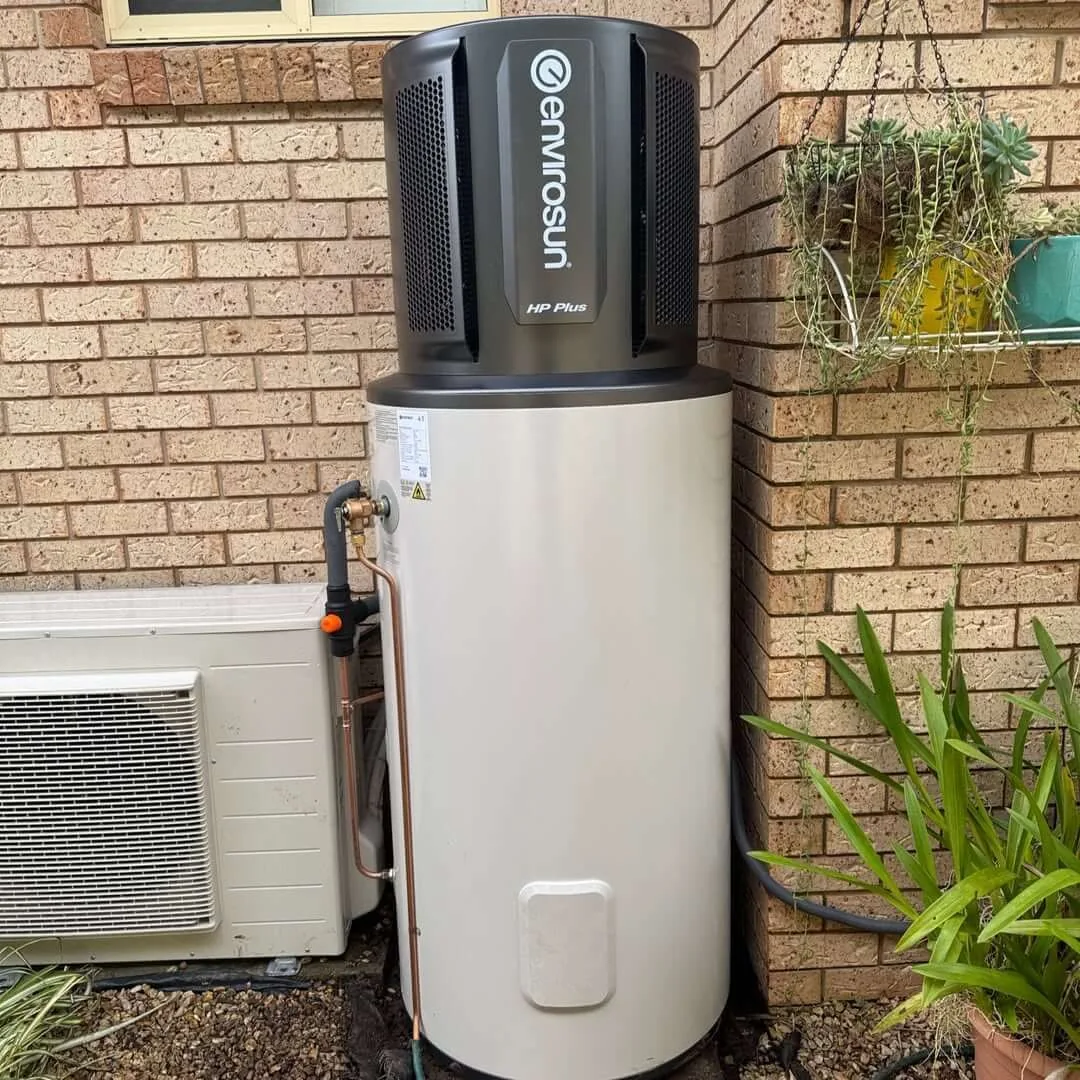
Our home hot water system guide compares electric, solar and other options in more detail. If a heat pump is being considered, read our heat pump guide alongside a current quote for the property.
What should you have ready for the plumber?
Find the current unit’s model details and note its location. Describe any leaks, temperature changes or unusual sounds, along with the times when the household loses hot water.
Explain access restrictions and any planned changes to bathrooms or appliances. These details help the team assess the existing installation and discuss suitable options.
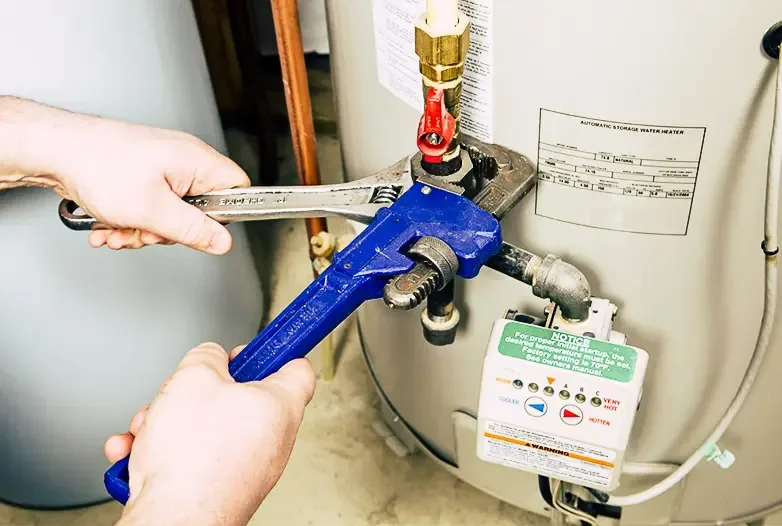
For a repair assessment or replacement, see our hot water service. You can request a call back or call 0459 339 205 to discuss the next step.

Kyle leads the Jetty Plumbing team on the Coffs Coast. For advice about your own property, share the job details with us.
Meet Kyle and the team →